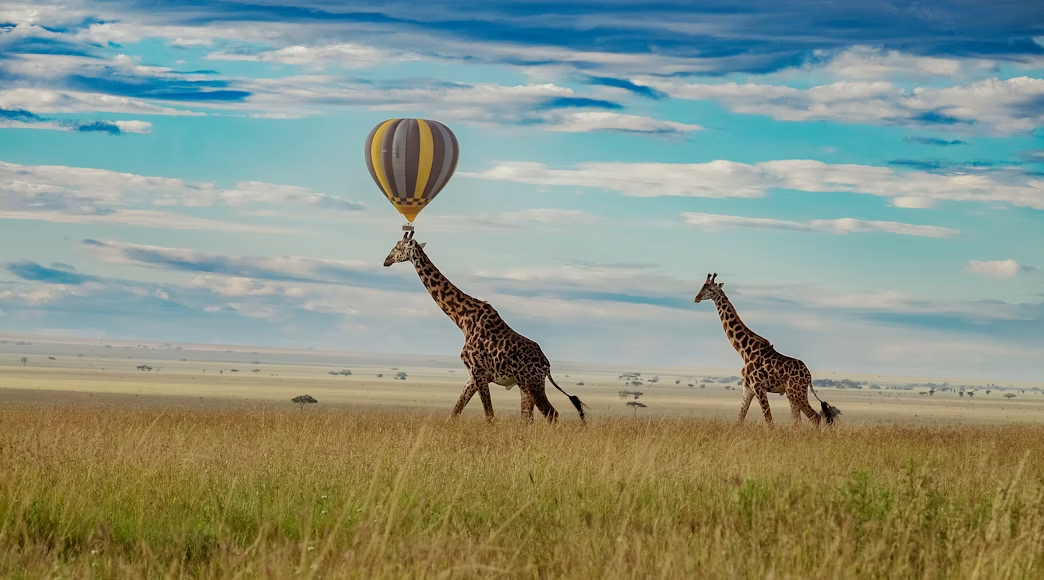
Kenya can be visited for a safari throughout much of the year, but different months offer different experiences.
The best time for your Kenya safari depends on what you want to see, your budget, your preferred weather and the destinations you want to visit.
January and February
January and February are generally popular months for wildlife viewing. The landscapes can be relatively dry in many safari areas, making it easier to spot animals around water sources.
These months can work well for travelers looking for wildlife experiences without necessarily planning around the Great Migration.
March to May
March, April and May fall within Kenya’s wetter periods, with April and May traditionally associated with heavier rains in many areas.
The rainy season can bring greener landscapes and fewer visitors, although weather conditions can affect road conditions and game-drive schedules.
Travelers considering these months should discuss current conditions and their itinerary with their safari operator.
June
June marks the transition toward the drier season and can be an excellent time for travelers who want comfortable safari conditions and increasingly strong wildlife viewing.
July to October
These months are particularly popular for Kenya safaris.
The Maasai Mara becomes especially famous during this period because of the annual wildebeest migration, although the exact timing and location of wildlife movements naturally vary from year to year.
The period can also bring higher demand and accommodation prices, so advance planning is important.
November and December
November and December can bring changing weather conditions and greener landscapes.
These months can appeal to travelers who want a different atmosphere and potentially fewer visitors than the busiest safari periods.
So, when should you visit Kenya?
It depends on your priorities.
For the Great Migration: Consider the Maasai Mara during the migration season.
For wildlife viewing: Drier periods can make spotting animals easier in many areas.
For greener landscapes: Consider periods following or during rains.
For potentially lower prices: Ask your safari operator about shoulder and lower-demand periods.
For fewer crowds: Consider traveling outside the busiest months.
The important thing is to choose your travel dates based on the experience you actually want.